
Blog

ABA Therapy Self-Regulation Strategies: Helping Kids Navigate Big Emotions
Every parent has been there: the sudden meltdown in the grocery aisle, the tearful outburst over a broken crayon, or the “shut down” that happens when homework gets too tough. For children, especially those with developmental or sensory processing differences, emotions don’t just feel big—they feel overwhelming.
At Therapy and Wellness Connection, we believe that “misbehavior” is often a child communicating that they lack the tools to manage their internal state. As a leading provider of Cleveland ABA therapy, our Board Certified Behavior Analysts (BCBAs) and Registered Behavior Technicians (RBTs) work daily to move beyond just “stopping a tantrum” to teaching the lifelong skill of self-regulation.
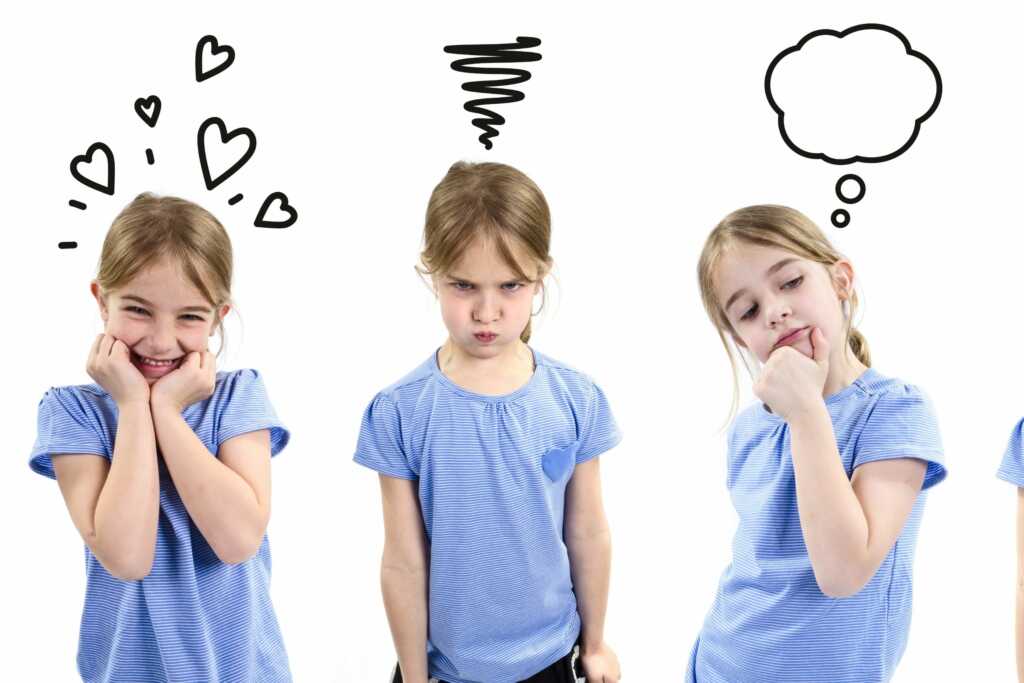
What is Self-Regulation?
Self-regulation is the ability to monitor and manage your energy states, emotions, thoughts, and behaviors in ways that are acceptable and produce positive results such as well-being, loving relationships, and learning.
It is not the same as self-control. While self-control is about inhibiting an impulse (e.g., “don’t hit”), self-regulation is about managing the stress that leads to the impulse in the first place.
According to the Centers for Disease Control and Prevention (CDC), helping children develop these emotional regulations early on is a key protective factor for long-term mental health and academic success. In fact, peer-reviewed research in the journal Pediatrics suggests that children with strong self-regulation skills are more likely to succeed in college and maintain stable employment in adulthood.
The Cleveland ABA Therapy Approach: More Than Just “Compliance”
In the past, some viewed Applied Behavior Analysis (ABA) as a way to simply make children comply with rules. Today, modern Cleveland ABA therapy focuses heavily on Functional Communication Training (FCT) and emotional literacy.
We look at the “ABC” (Antecedent, Behavior, and Consequence) of an emotional outburst to understand why it is happening. Is the child overwhelmed by noise? Are they tired? Are they unable to ask for a break? Once we know the “why,” we can provide the “how.”
Top Self-Regulation Strategies for Parents
Our Cleveland ABA therapy team recommends the following strategies to help your child navigate their “big emotions” at home:
1. The “Zones of Regulation” Framework
We often use the “Zones” to help children categorize how they feel. This removes the “good vs. bad” labels from emotions:
- Blue Zone: Low energy (sad, bored, tired).
- Green Zone: Optimal learning state (happy, focused, calm).
- Yellow Zone: High energy/loss of some control (anxious, silly, frustrated).
- Red Zone: Out of control (angry, terrified, hitting).
By identifying the zone, a child can then identify the specific tool needed to get back to “Green.”
2. Creating a “Calm-Down Corner”
Unlike a “time-out,” which can feel like a punishment, a calm-down corner is a proactive sanctuary. Fill this space with:
- Sensory items (fidgets, weighted blankets).
- Visual prompts (deep breathing posters).
- Noise-canceling headphones.
3. Co-Regulation: You are the Thermostat
Children often “mirror” the nervous systems of their parents. If a child is in the “Red Zone” and we meet them with “Red Zone” energy (yelling), the situation escalates.
- The Strategy: Use a low, calm voice. Practice deep breathing with them. Your calm can help pull them out of their storm.
4. Heavy Work and Sensory Input
Sometimes “big emotions” are actually a result of sensory dysregulation. “Heavy work”—activities that push or pull against the body—can be incredibly grounding.
- Try: Wall pushes, carrying a heavy backpack of books, or “animal walks” (like crawling like a bear).
The Multidisciplinary Advantage at Therapy and Wellness Connection

What makes our approach unique is that we don’t look at behavior in a vacuum. Because we are a multidisciplinary clinic in the Cleveland area, our ABA therapists collaborate directly with our Occupational Therapists (OT) and Speech Therapists (SLP).
- OT Collaboration: If a child’s meltdowns are caused by sensory overstimulation, our OTs can design a “sensory diet” to help regulate their nervous system throughout the day.
- Speech Collaboration: If a child is acting out because they can’t express their needs, our SLPs work on giving them the words (or signs/AAC devices) to say, “I’m frustrated” or “I need a break.”
Taking the Next Step
Self-regulation is a muscle; it takes time, repetition, and professional guidance to strengthen. If your child is struggling with intense emotional outbursts, you don’t have to navigate it alone.
At Therapy and Wellness Connection, our Cleveland ABA therapy program is designed to empower both the child and the parent. We provide the tools, the data-driven strategies, and the compassionate support your family needs to thrive.
Ready to help your child find their calm? Contact us today at (330) 748-4807 to schedule a consultation at our Brecksville clinic.
For more information about Cleveland ABA therapy, autism testing, pediatric speech therapy, occupational therapy, and physical therapy at Therapy and Wellness Connection, contact us online or call our office (330) 748-4807. Our educational services and multidisciplinary therapy are available in Brecksville, Broadview Heights, Cleveland, Akron and surrounding communities.
Additional Resources:
Emotional Regulation Strategies, March 2022, Autism Research Institute
More Blog Entries: