
Blog
Brecksville Occupational Therapists on Why Your Child Needs a Strong Core for Learning, Not Just Sports
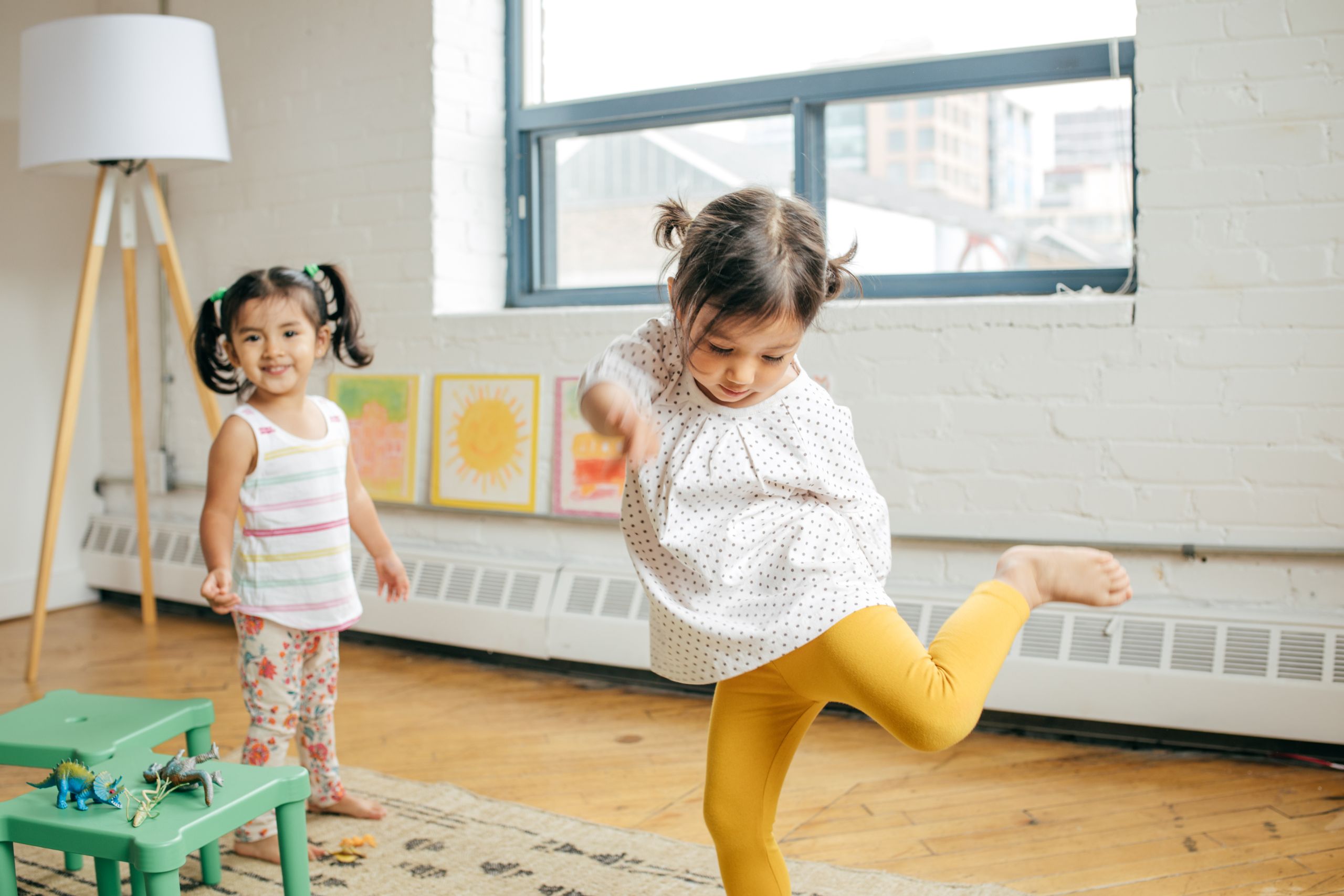
As Brecksville occupational therapists at Therapy & Wellness Connection, we often hear from parents and teachers about the “wigglers”—the children who constantly shift in their chairs, slump over their desks, or can’t seem to sit still during story time.
It’s easy to assume this constant movement is a sign of defiance or inattention, but we look at it through a different lens. Often, the wiggling is a symptom of a weak core. Your child isn’t moving because they want to; they’re moving because their body is struggling to find and maintain a stable position against gravity.
A strong core—the group of muscles that support the trunk, pelvis, and back—is the body’s foundation. It is the silent, unsung hero of the classroom, crucial not just for athletics, but for attention, learning, and fine motor skills.
The Critical Role of Postural Control in the Classroom
Postural control is the ability to maintain balance and stability while engaging in an activity. If your child’s core is weak, they have to expend valuable cognitive energy just to keep their body upright. This “energy drain” has a direct, negative impact on their ability to learn.
1. 🧠 Attention & Focus
When a child has a stable trunk, their sensory systems (like the vestibular and proprioceptive systems) are settled. Their brain is free to focus on auditory information (the teacher’s instructions) and visual information (the textbook).
- The Instability Cycle: A child with a weak core slumps forward. To keep their head up to see the board, they strain their neck. This instability triggers their system to seek movement (wiggling) to get the necessary sensory input to wake up and regain stability. This movement seeking then distracts them from the lesson.
2. 📝 Handwriting & Fine Motor Skills
The core is the anchor for the extremities. Try writing while balancing on one foot—it’s nearly impossible to control the pen!
- A strong core provides the proximal stability (shoulder and trunk) necessary for distal mobility (fingers and hand).
- If the core and shoulder muscles are weak, the smaller muscles in the hand and wrist have to overcompensate, leading to poor pencil grip, fatigue, and messy, illegible handwriting.
Shutterstock
3. 🧘 Sensory Regulation
Many children we work with have sensory processing differences. A weak core can make them feel physically disorganized, amplifying their reaction to stimuli. Therapy & Wellness Connection utilizes core work to help children feel more grounded and centered, which aids in self-regulation and emotional control.
🔬 Authoritative Support for Core Strength
The critical link between core stability and learning is well-documented in occupational therapy research.
According to a study published in the American Journal of Occupational Therapy, strong evidence supports the relationship between visual-perceptual and motor skills (including postural stability) and performance of handwriting tasks in school-age children. The integrity of proximal stability (core strength) is repeatedly shown to be necessary to achieve the fine motor control needed for functional school tasks. (Feder, K. P., & Majnemer, A., 2007).
💪 5 Simple “Heavy Work” Activities for Core Strength at Home
One of the most effective ways to build core stability and body awareness is through heavy work. Heavy work activities provide deep pressure and resistance (proprioceptive input) to the muscles and joints. This input is incredibly organizing and calming for the nervous system, helping the “wigglers” feel more anchored.
Our Brecksville occupational therapists suggest incorporating these into your child’s daily routine:
- Animal Walks: Have your child walk like a bear (on hands and feet), a crab (walking backward on hands and feet, tummy up), or a snake (crawling on their tummy). These movements engage the entire core and require significant body control.
- Laundry Basket Push/Pull: Fill a laundry basket with books or toys. Have your child push the basket across the floor (pushing with both hands requires core activation) or pull it with a rope. The heavier the resistance, the better the input.
- Wall Pushes: Have your child stand facing a wall, hands flat. Ask them to “push the wall over” using all their strength. Hold this isometric push for 10-15 seconds. This is an excellent, organizing task for a quick brain break.
- Pillow Fort Construction: Instead of letting your child just play in the fort, have them build it. Lifting and carrying heavy pillows, dragging blankets, and pushing furniture require coordination and sustained core effort.
- Wheelbarrow Walking: Hold your child’s legs while they walk forward on their hands. Start by holding them at the hips and progress to holding them lower near the knees. This activity is a powerhouse for strengthening the shoulders, arms, and core muscles needed for sustained desk work.
By integrating these simple, fun activities into your routine, you’re not just strengthening muscles; you are fortifying the foundation for your child’s academic and attentional success. If you suspect your child’s challenges are due to underlying motor or sensory processing issues, reach out to our team of Brecksville occupational therapists today.
Therapy & Wellness Connection – your connection to a life without limitations – provides occupational therapy to children in Akron, Cleveland, Brecksville-Broadview Heights and surrounding communities. We also offer summer camp, day programs, education services, vocational counseling and more. Call us at (330) 748-4807 or send us an email.
Additional Resources:
Sensory Processing and the Vestibular System, Griffin Occupational Therapy
More Blog Entries: